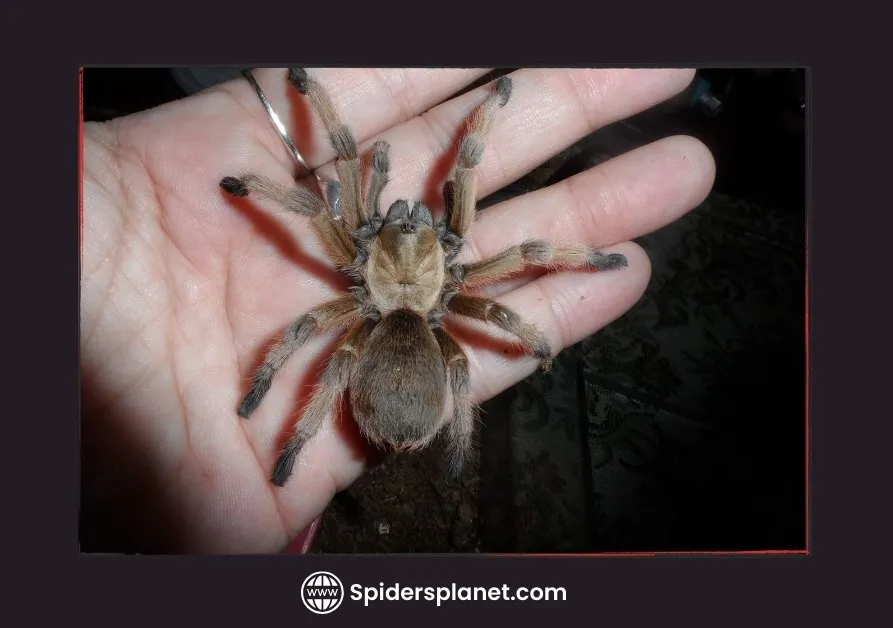
What are the main Threats to Tarantulas
Tarantulas, despite their fearsome appearance, face a variety of threats in their natural habitats and in captivity. Predators such as birds, snakes, and larger mammals pose a constant danger. However, a less obvious but significant threat comes from insects, particularly ants. Ants can be a serious problem for tarantulas, as they are often found in areas where tarantulas live. They can cause serious harm to the tarantula. The type of ant and the health of the tarantula are also important factors in the severity of the threat. Understanding these factors is essential for tarantula owners and anyone interested in these fascinating creatures.
Different Ant Species That Are Dangerous to Tarantulas
Not all ant species pose the same level of threat to tarantulas. Some ants are more aggressive, have more potent venom, or operate in large colonies, making them a greater danger. Fire ants, known for their aggressive behavior and painful stings, are particularly hazardous. Their bites can cause significant distress and even death to a tarantula, especially a juvenile or a molting one. Other aggressive species, like certain types of carpenter ants, can also pose a threat. Their powerful mandibles can inflict serious injuries. It is important to know what species of ants are present in your area to properly assess the risk to any tarantulas.
Are All Ants a Danger to Tarantulas

While some ant species are a significant threat, not all ants are equally dangerous to tarantulas. Some ant species are less aggressive and may not actively attack tarantulas unless provoked or defending their colony. Small, less aggressive ant species might be more of a nuisance than a serious threat, although even a small ant population can be problematic. The danger depends largely on the ant’s size, aggression level, and venom potency. The number of ants also plays a significant role; a large infestation of even a less aggressive species can overwhelm a tarantula. Therefore, the potential danger posed by ants to a tarantula can range from minimal to life-threatening.
How Frequently Do Ants Attack Tarantulas
The frequency with which ants attack tarantulas varies depending on several factors. In the wild, ant attacks might be more common during certain seasons or in areas with high ant populations. In captivity, attacks are less frequent but can occur if ants find a way into the tarantula’s enclosure. The likelihood of an ant attack also depends on the tarantula’s living conditions, the presence of food sources that attract ants, and the effectiveness of preventative measures. When a tarantula is sick or molting, it is more vulnerable to ant attacks. Monitoring the tarantula’s environment and taking precautions to prevent ant infestations is key to minimize the risk.
Factors Influencing Ant Attacks
Several factors influence the likelihood of ant attacks on tarantulas. Environmental conditions, such as high humidity or warm temperatures, can make tarantulas more vulnerable. The tarantula’s overall health is another crucial factor. Sick or injured tarantulas are less capable of defending themselves, making them easy targets for ants. Food availability can also play a role. Food remnants in the enclosure can attract ants, increasing the risk of an attack. The density of the ant population in the surrounding environment also matters. A tarantula in an area with a high concentration of ants is at a greater risk than one in an area with fewer ants. Careful monitoring and proactive measures are crucial to minimize the risk.
Tarantula Size

The size of the tarantula is a significant factor in its vulnerability to ant attacks. Smaller, juvenile tarantulas are particularly susceptible because they are less able to defend themselves against ants. Their smaller size means they are easier for ants to overwhelm, and their exoskeletons are less robust. Adult tarantulas, being larger and stronger, have a better chance of fending off an ant attack. However, even adult tarantulas can be at risk if faced with a large, aggressive ant infestation. Size, therefore, greatly influences the outcome of a confrontation with ants.
Tarantula’s Health
A tarantula’s health plays a crucial role in its ability to defend itself against ants. Healthy tarantulas have more energy and are better equipped to ward off attacks. Tarantulas that are sick, injured, or molting are particularly vulnerable. During molting, the tarantula’s exoskeleton is soft and provides little protection. This makes them an easy target for ants. Similarly, injured tarantulas are less mobile and have reduced defenses. Maintaining a healthy environment for your tarantula is essential. This includes proper nutrition, adequate humidity, and a clean habitat. These steps will significantly reduce the risk of ant-related problems.
Ant Species
The specific ant species present in the tarantula’s environment is a critical determinant of the level of risk. Aggressive species like fire ants can inflict painful stings and attack in large numbers, posing a serious threat. Other species, such as carpenter ants, can cause damage with their strong mandibles. The behavior and characteristics of each ant species are key to understanding how they might interact with a tarantula. Recognizing the type of ants present is vital for taking appropriate preventative measures. Identifying ant species and implementing targeted strategies to keep them away is a key part of tarantula care.
Protecting Tarantulas From Ants

Protecting tarantulas from ants requires a multi-faceted approach. Regular cleaning of the enclosure is crucial to remove any food remnants that might attract ants. Sealing any potential entry points, such as cracks or gaps in the enclosure, can prevent ants from accessing the tarantula’s habitat. Using ant traps or repellents, placed strategically around the enclosure, can help deter ants. However, it is essential to use these methods cautiously, as some chemicals can be harmful to tarantulas. Another method is to use barriers such as sticky tape or petroleum jelly around the enclosure to prevent ants from climbing in. Combining several preventative measures is usually most effective in keeping ants away.
Habitat Maintenance
Proper habitat maintenance is crucial in preventing ant infestations. The enclosure should be cleaned regularly to remove any uneaten food or waste. This prevents the buildup of food sources that attract ants. Maintaining the correct humidity levels for the tarantula’s species is also important, as excessive moisture can create conditions that attract ants. Regularly inspecting the enclosure for signs of ants and addressing any issues immediately is essential. Thorough cleaning and regular checks are important to protect tarantulas from potential ant problems. Careful and consistent habitat maintenance is a fundamental part of keeping tarantulas safe and healthy.
Preventive Measures
Several preventive measures can be employed to safeguard tarantulas from ants. Sealing the enclosure is one of the most important steps. Ensure that there are no gaps or cracks where ants could enter. Placing the enclosure on a surface that ants cannot easily climb, such as a smooth, non-porous surface, can help. Using natural repellents, such as peppermint oil or cinnamon, around the enclosure can deter ants. Regularly inspecting the enclosure and the surrounding area for ant activity is also vital. Early detection is critical, as it allows you to address the problem before it escalates. Consistent and vigilant preventive measures are key to protecting your tarantula.
Treatment for Ant Bites

If a tarantula is bitten by ants, prompt treatment is necessary to minimize harm. Gently removing any ants still on the tarantula is the first step. Cleaning the affected area with a mild antiseptic solution can help prevent infection. Monitoring the tarantula for signs of distress or infection is important. If the tarantula shows signs of illness, such as lethargy, loss of appetite, or swelling, seek immediate veterinary care. In severe cases, a veterinarian might prescribe antibiotics or other treatments. Early intervention and proper care are vital for the tarantula’s recovery. Prevention is always the best strategy, but being prepared to treat ant bites is an essential part of tarantula ownership.